
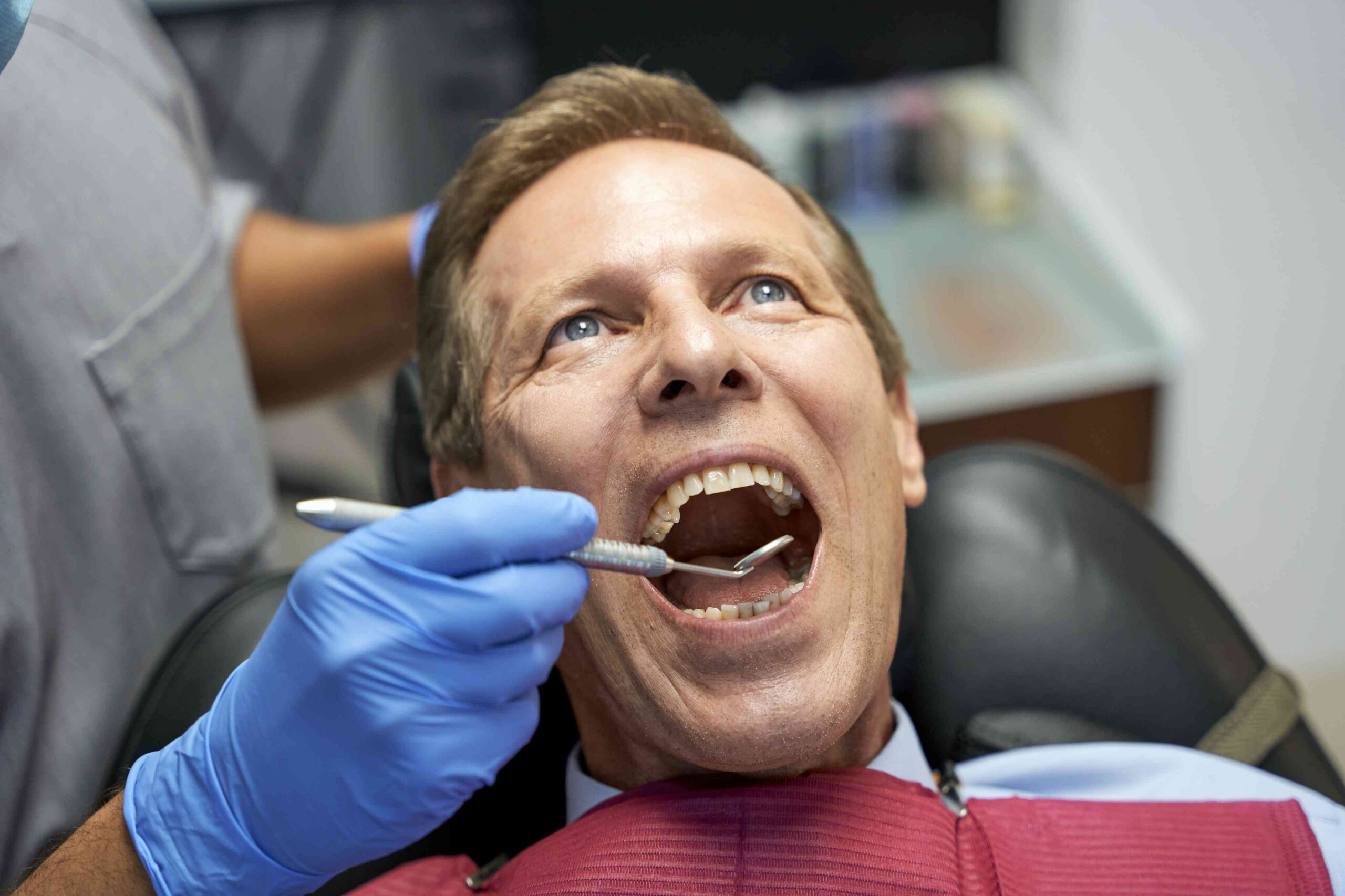
Dental implants in Lansdale, PA may be an option for patients who are missing one or more teeth and want a stable replacement after a dental evaluation. Implants are placed in the jawbone and may support crowns, bridges, or dentures depending on the case. Lansdale patients need healthy gums, enough bone support, careful bite planning, and good home care habits. A consultation helps compare dental implants with bridges or dentures and explains what long-term maintenance may involve.
A missing tooth can change how the mouth feels day to day. Chewing may feel uneven; food may be collected in the open space, or nearby teeth may slowly shift. Some Lansdale, PA patients adjust to the gap for a while, then begin noticing that eating or speaking feels different.
Someone exploring dental implants in Lansdale, PA may want a replacement that feels stable and supports everyday function. Dental implants can be useful in selected cases, but they require careful planning before treatment begins.
The dentist needs to check gum health, bone support, bite pressure, medical history, and the space where the tooth is missing. This evaluation helps patients compare tooth replacement options such as implants, bridges, or dentures without guessing which one fits best.
Why Missing Teeth Should Be Evaluated Early
A missing tooth leaves more than an empty space. Teeth next to the gap may tilt or drift. The tooth across from space may begin to move toward it. Chewing pressure may shift to other teeth and affect comfort.
Lansdale patients seeking missing teeth treatment may also notice food trapping, speech changes, or a habit of chewing on one side. If several teeth are missing, the bite may feel less stable and the remaining teeth may work harder.
Replacing a tooth should involve the whole mouth, not only the gap. The dentist should review gums, bone, bite alignment, and existing dental work before recommending a plan. This helps patients understand whether an implant, bridge, denture, or another option may be appropriate.
What Dental Implants Lansdale PA Patients Should Know
Dental implants in Lansdale, PA treatment uses a small implant post placed in the jawbone to act like a replacement tooth root. After healing, the implant can support a crown, bridge, or denture, depending on how many teeth are missing.
Implants need healthy gum tissue and enough bone support. If the jawbone has changed after tooth loss, the dentist may discuss bone grafting or another step before implant placement. Gum disease, smoking, uncontrolled medical conditions, and oral hygiene habits can also affect suitability.
Not every patient is ready for an implant right away. Some patients may need gum care, treatment for decay, or bite evaluation first. A consultation helps make the process clearer and more personal.
How Implants Compare with Bridges and Dentures
Dental implants, bridges, and dentures all replace missing teeth, but they work in different ways. A bridge uses neighboring teeth for support. It may be useful in some cases, but those teeth usually need to be prepared.
A removable denture can replace one or more teeth and can be taken out for cleaning. Some patients find dentures helpful, while others may want a more stable option depending on the location and number of missing teeth.
Dental implants near Lansdale may appeal to patients because they do not rely on neighboring teeth in the same way a traditional bridge does. Still, implants require surgery, healing time, bone support, and ongoing maintenance. The best choice depends on the patient’s mouth and goals.
How Dental Implants Support Chewing
A natural tooth root helps support the chewing force. An implant is designed to provide root-like support once it bonds with the jawbone. When restored, it may help patients chew more evenly in selected cases.
For Lansdale patients, restoring chewing function may reduce the need to avoid one side of the mouth. It can also help prevent nearby teeth from carrying too much pressure.
Implants must be planned with the bite in mind. Grinding, clenching, uneven chewing forces, and the position of neighboring teeth can affect the final restoration. The goal is not only to place an implant. It is to create a restoration that works with the full bite.
Why Bone and Gum Health Matter
Bone and gum tissue are key parts of implant planning. After a tooth is removed, the bone in that area may slowly change. If a tooth has been missing for a long time, bone support may need closer evaluation.
Gum’s health also matters. Inflammation around natural teeth can affect implant planning, and plaque buildup around implants can irritate the supporting tissue. Patients with gum disease may need treatment before implants are considered.
During a dental implant consultation, the dentist may recommend X-rays or 3D imaging to evaluate bone, nearby roots, nerves, and surrounding structures. This information helps guide safe treatment timing.
Who May Be a Candidate for Dental Implants
Dental implants may be suitable for adults who have missing teeth, healthy gums, enough bone, and good oral hygiene habits. Medical history also matters because healing is part of the implant process.
Patients who smoke, grind their teeth, have untreated gum disease, or take certain medications may need extra evaluation. These factors do not always rule out implants, but they can affect planning and long-term success.
A patient considering dental implants in Lansdale, PA should expect a personal evaluation rather than a one-size-fits-all answer. If implants are not the right first step, the dentist can explain other ways to replace missing teeth.
Benefits Patients Often Want from Implant Supported Teeth
Implant-supported teeth may offer meaningful benefits for selected patients. The final result depends on health, bone support, restoration type, and maintenance habits.
Patients may value:
- Stable replacement for missing teeth
- Support for chewing function
- A restoration that does not use removable adhesive
- Help maintaining space where a tooth was lost
- A tooth replacement that can blend with the smile
- Options for single or multiple missing teeth
- A long-term plan for oral function
These benefits vary by case. Dental implants require planning, healing, and care after placement. They should be chosen after a full evaluation and comparison with other options.
What Usually Happens During an Implant Consultation
An implant consultation often begins with questions about the missing tooth or teeth. The dentist may ask when the tooth was lost, how chewing feels, whether the area hurts, and what the patient wants from treatment.
The exam may include checking the gums, bite, nearby teeth, jawbone support, medical history, and existing dental work. X-rays or advanced imaging may be recommended to evaluate the implant site. If dental implants in Lansdale, PA care appears suitable, the dentist can explain the steps, timing, and restoration options.
If gum disease, decay, bone loss, or bite imbalance is found, another step may need to come first. The consultation should help patients understand whether implants, bridges, dentures, or another treatment path makes sense.
How to Maintain Dental Implants Over Time
Dental implants cannot get cavities like natural teeth, but the gum and bone around them still need care. Plaques can collect near implant restorations and may irritate the supporting tissue.
Patients should brush, clean between teeth, and keep regular dental visits. Depending on the type of implant restoration, special cleaning tools may be recommended. A single implant crown may need different cleaning steps than an implant-supported bridge or denture.
Lansdale patients should have changes checked promptly. Bleeding, swelling, looseness, discomfort when biting, or food trapping around an implant should be evaluated. Long-term maintenance is part of implant care, not a separate concern.
Local Patient Review
“I wanted to understand my choices after losing my tooth. The consultation helped explain what an implant would involve and how it compared with other options.”
A Thoughtful Way to Replace Missing Teeth
A missing tooth should be evaluated with the full mouth in mind, including gums, bone, bite, and nearby teeth. Lansdale patients can use an implant consultation to compare replacement options and learn what maintenance may involve. Through Smile Exchange of Hatfield, implant planning can be shaped around clear evaluation, realistic expectations, and long-term oral function.
Frequently Asked Questions
What are dental implants?
Dental implants are small posts placed in the jawbone to support replacement teeth. They may hold crowns, bridges, or dentures depending on how many teeth are missing.
Are dental implants in Lansdale PA right for everyone?
No, implants are not suitable for every patient. Gum health, bone support, medical history, smoking, grinding, and home care habits all need to be reviewed.
How long does dental implant treatment take?
The timeline varies because implants often need healing time before the final tooth is attached. Some patients may need additional steps before placement.
Can one implant replace one missing tooth?
Yes, one implant may support one crown if the area has enough bone and healthy gum tissue. The dentist needs to evaluate the space and bite it first.
Are implants better than bridges or dentures?
Implants, bridges, and dentures each have different benefits and limits. The best choice depends on oral health, bone support, neighboring teeth, and personal goals.
Do dental implants need special cleaning?
Implants need daily brushing and cleaning around the restoration. Your dentist may recommend specific tools based on the type of implant-supported tooth.
What happens if I wait to replace a missing tooth?
Nearby teeth may shift, chewing pressure may change, and bone in the area may shrink over time. A dental exam can explain the risks in your case.
Can dental implants help with chewing?
Implant-supported teeth may help restore chewing function in selected cases. The result depends on bone support, bite planning, and the restoration used.