
Clear correct aligners Hatfield patients consider may help straighten mild to moderate crowding, spacing, or tooth shifting with removable clear trays. Clear aligners guide teeth into planned positions over time and may be an option for some adults and teens. In Hatfield, suitability depends on gum health, bite condition, tooth movement needs, oral hygiene, existing dental work, and patient consistency with wearing aligners as directed.
Teeth can shift slowly over time. A small overlap may become harder to floss; a gap may look more noticeable, or a bite may start to feel uneven. Some patients in Hatfield want straighter teeth but are unsure whether traditional braces or removable clear aligners make more sense.
Patients searching for Clear correct aligners in Hatfield, PA often want an option that fits daily life while still improving tooth position. Clear aligners can help selected patients, but they require consistent wear and careful planning. Before treatment is recommended, the teeth, gums, bites, and amount of movement needed should be checked. The goal is to choose an approach that supports both appearance and long-term oral health.
How Clear Correct Aligners Work
Clear Correct aligners use a series of custom trays that fit over the teeth. Each tray applies gentle pressure to guide selected teeth into planned positions. Patients switch to the next aligner based on the schedule recommended by the dental provider.
The trays are removable, which makes eating, brushing, and flossing more convenient than fixed brackets and wires. Patients remove them for meals, drinks other than water, and daily oral care.
The treatment only works well when aligners are worn as directed. If they are left out too often, teeth may not move as planned, and the overall timeline may change.
What Clear Aligners May Help Correct
Clear aligners may help with mild to moderate crowding, spacing, rotated teeth, or minor shifting after previous orthodontic treatment. They may also help patients who want a more even smile without traditional fixed braces.
Crowded teeth can make cleaning harder. Tight spaces may trap plaque, and flossing can feel difficult. Spacing can also create areas where food is collected. Improving tooth position may make home care easier for some patients.
Clear aligners are not suitable for every case. Severe crowding, complex bite problems, impacted teeth, or major jaw concerns may require another orthodontic approach.
Clear Aligners Compared with Braces
Patients comparing clear aligners with braces near Hatfield, PA often want to understand the difference between removable and fixed orthodontic care. Braces use brackets and wires attached to the teeth, while clear aligners use removable trays.
Braces may be recommended for certain complex tooth movements or bite corrections. Since they stay on the teeth, they do not depend on the patient remembering to wear them.
Clear aligners may be a good fit for patients who can wear them consistently and have movement needs that aligners can manage. The right option depends on the tooth position, bite, gum health, and daily habits.
Clear Aligners Compared with Veneers
Porcelain Veneers Hatfield, PA patients ask about may improve the look of tooth shape, color, chips, or small cosmetic concerns by covering the front surfaces of selected teeth. Veneers do not move tooth roots.
Clear aligners work differently. They move teeth gradually into better positions. If teeth are crowded, rotated, or spaced because of alignment, aligners may address the cause more directly.
Some patients may benefit from aligners before considering veneers. Moving teeth first may reduce the amount of cosmetic work needed later, depending on the case.
Why Oral Health Comes First
Teeth move through bone and gum support during aligner treatment. This means gum health should be stable before starting. Active gum disease, untreated cavities, or loose teeth may need to care first.
Dental Fillings Hatfield, PA patients need may be completed before aligners if cavities are present. Old fillings, crowns, or worn restorations should also be checked because they can affect aligner fit.
At Smile Exchange of Hatfield, clear aligner planning may include reviewing gum health, cavities, old dental work, bite pressure, and oral hygiene before treatment options are explained. This helps patients understand whether the mouth is ready for tooth movement.
Daily Life with Clear Aligners
Clear aligners are removable, but that convenience comes with responsibility. Patients usually need to wear aligners most of the day and night, removing them only for eating, drinking anything other than water, brushing, and flossing.
Aligners should be stored in a case when removed. Wrapping them in a napkin can make them easily thrown away by mistake. Leaving them exposed can also allow bacteria to collect.
Patients should brush before putting aligners back in when possible. Trapping food or sugary drinks under aligners may raise cavity risk.
What Patients Often Like About Clear Aligners
Clear aligners may offer practical benefits for the right patient. They can support tooth movement while allowing easier brushing and flossing than braces.
Clear aligners may help with:
- Mild to moderate crowding
- Small gaps between teeth
- Minor tooth shifting
- Less noticeable orthodontic treatment
- Removable trays for meals
- Easier flossing than fixed braces
- Smile planning before cosmetic care
- These benefits depend on diagnosis, consistent wear, oral hygiene, gum health, and follow-up visits.
What to Expect During a Clear Aligner Consultation
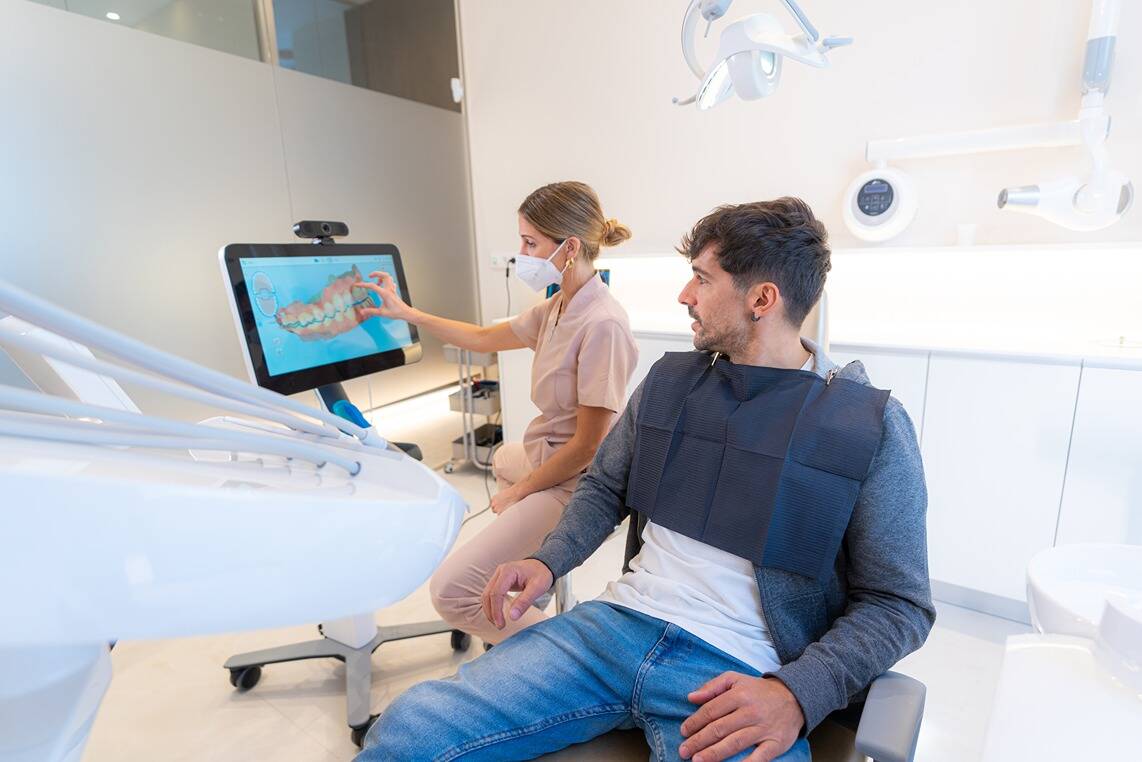
A consultation usually begins with a conversation about what you want to change. You may discuss crowding, spacing, shifting teeth, bite discomfort, past orthodontic treatment, or smile goals.
The dentist may examine teeth, gums, bites, restorations, and jaw comfort. Scans, impressions, photos, or X-rays may be recommended to plan tooth movement.
If Clear Correct is suitable, the provider may explain aligner wear, cleaning, follow-up visits, possible attachments, treatment stages, and retainer needs after treatment. Patients should understand the commitment before starting.
Why Attachments May Be Used
Some clear aligner cases use small tooth-colored attachments. These are placed on selected teeth to help aligners grip and guide movement more effectively.
Attachments are not needed for every patient. Their use depends on the movement required and the treatment plan.
Patients should clean carefully around attachments because plaques can be collected near them. If an attachment feels rough or comes off, it should be checked.
Retainers After Clear Aligners
Teeth can shift after orthodontic treatment. Retainers help hold teeth in their new positions after active aligner treatment is complete.
Retainer instructions vary. Some patients may wear retainers full time at first, then at night. Others may have a different schedule based on the provider’s guidance.
Skipping retainers can allow teeth to move back toward their old positions. Retention is part of protecting the result.
Local Patient Review
“I wanted straighter teeth but did not know if clear aligners would work for my bite. The visit helped me understand what could move and what needed to be checked first.”
Planning Straighter Teeth with the Right Fit
Clear aligners can help selected patients improve their tooth position while keeping daily care manageable. For patients in Hatfield comparing Clear Correct, braces, veneers, or other alignment options, Smile Exchange of Hatfield can help explain which path may fit after evaluating the teeth, gums, and bite.
Frequently Asked Questions
Are Clear correct aligners for Hatfield right for adults?
Clear Correct may be suitable for adults with mild to moderate crowding, spacing, or shifting. Gum health, bite condition, and movement needs must be evaluated first.
Can teens use Clear Correct aligners?
Some teens can use clear aligners if they are responsible enough to wear them as directed. A dental evaluation helps determine whether aligners fit the case.
How long does Clear Correct treatment take?
Treatment time varies based on how much tooth movement is needed and how consistent aligners are worn. Your provider can explain the likely timeline.
Do I wear clear aligners all day?
Aligners usually need to be worn most of the day and night. They are removed from meals, drinks other than water, brushing, and flossing.
Are clear aligners better than braces?
Clear aligners may fit in some mild to moderate cases, while braces may be better for complex movements. The right option depends on the tooth position and bite.
Can clear aligners replace porcelain veneers?
They do different things. Aligners move teeth, while veneers change the visible tooth surface. Alignment concerns may need aligners before cosmetic treatment.
Do cavities need treatment before aligners?
Yes, cavities and unstable dental work should usually be treated before aligners begin. Healthy teeth and gums help support safer tooth movement.
Will I need retainers after Clear Correct?
Yes, retainers are usually needed after treatment to help teeth stay in their new positions. Without retention, teeth may shift.